• December 1, 2016 - December 10, 2016
    5:00 pm - 7:00 pm

RSVP HERE The Institute for Public Knowledge, in collaboration with the Office of the Vice Provost for Faculty, Arts, Humanities, and Diversity at NYU and the China-U.S. Exchange Foundation, invite you to join us for the 2016 China-U.S. Forum at NYU, an evening with Madame Fu Ying, Chairperson of the Foreign Affairs Committee of the National (more…)


  • December 2, 2016
    1:00 pm - 3:30 pm

The Oikos working group at NYU’s Institute for Public Knowledge invites you to join us for an open discussion with James Ferguson about his recent book, Give a Man a Fish: Reflections on the New Politics of Distribution (Duke University Press, 2015). The book explores the rise of cash-transfer programs in southern Africa and elsewhere in (more…)


  • December 5, 2016
    6:00 pm - 8:00 pm

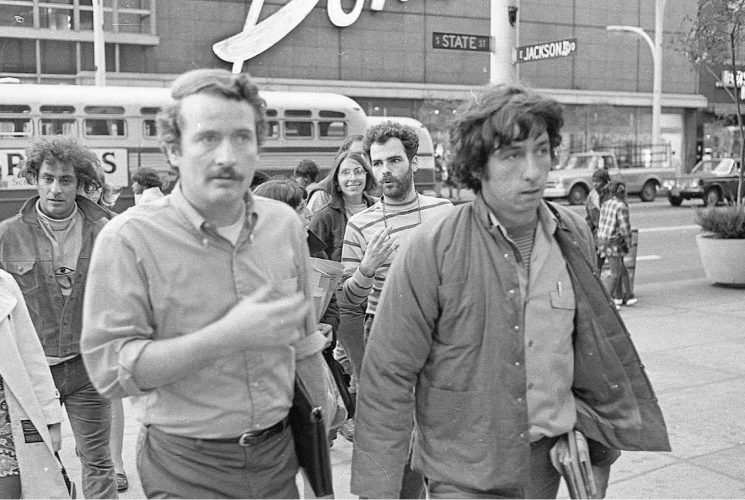
The Institute for Public Knowledge and the Collaborative on Global Urbanism at NYU invite you to join us for a discussion and reception to celebrate the release of Detroit is No Dry Bones: The Eternal City in the Industrial Age, from photographer and ethnographer Camilo Jose Vergara. The author will be in discussion with historian and urbanist Tom (more…)


  • December 8, 2016
    6:00 pm - 8:00 pm

The Institute for Public Knowledge and the Marron Institute of Urban Management at NYU invite you to join us for an event to celebrate the release of Power at Ground Zero: Politics, Money, and the Remaking of Lower Manhattan by Lynne B. Sagalyn. The author will be in discussion with New York policy and planning scholar Mitchell Moss.  (more…)


  • December 12, 2016
    6:00 pm - 8:00 pm

NYU’s Institute for Public Knowledge invites you to join us for the launch event of Island People: The Caribbean and the World by Joshua Jelly-Schapiro. The author will be present in conversation with Garnette Cadogan. A masterwork of travel literature and of history: voyaging from Cuba to Jamaica, Puerto Rico to Trinidad, Haiti to Barbados, and (more…)


  • December 15, 2016
    6:00 pm - 8:00 pm

Fast forward to the year 2100. New York, along with Phoenix, Beijing, Sao Paulo, Manila, and many more of the world’s most populated cities, is irrevocably changed.  Much of the earth’s great middle swath is subject to droughts, wildfires, and desertification, while increasingly frequent super storms plague coastal areas, destroying precious agricultural lands by bringing (more…)